
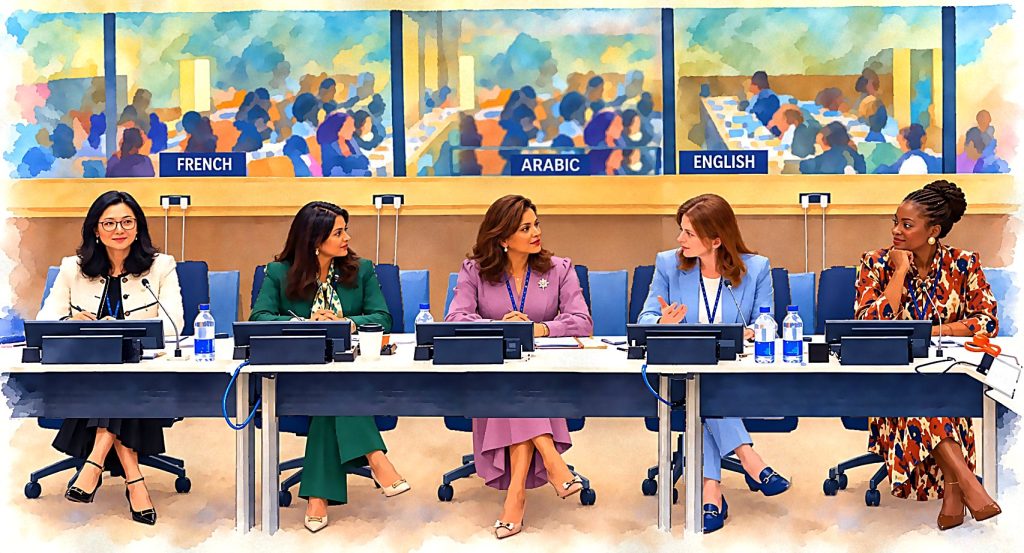
Women in Diplomacy: Making Space at the Table
Diplomacy has traditionally been described in the language of strength. But the most effective work I have witnessed came from qualities often dismissed as soft: the patience to listen, the willingness to build trust, the instinct to find the human behind the official position. These are not weaknesses but our sharpest tools, and women have long brought them into rooms not built with them in mind.
I learned early that being present is not the same as being heard. When I arrived in Berlin to assist with the opening of the first resident Embassy of the Maldives, there were meetings where questions about our mission were directed to the man beside me. I answered them anyway — calmly, fully, every time — until the questions began to come to me first. It was a small shift, but it taught me that authority is sometimes something you keep demonstrating until the room adjusts.
Making space is not only about who is invited, but about what changes once we arrive: insisting that different voices and ways of leading count as assets, not exceptions. Every time a woman speaks with authority where women were once excluded, she widens the doorway for those who follow.
None of us does this alone. It is done by championing each other’s contributions, making introductions, refusing to let a colleague go unheard, and carrying the work forward for those still to come.
I think of the young women watching, in the Maldives and beyond, wondering whether there is room for them. There is. And where there is not, our task is to make it — table by table, conversation by conversation, until a woman’s presence is no longer remarkable, simply expected.
